

I am trying something new with this piece. Along with the written essay, I have added a spoken version and a video version.
You can watch, listen, or read, whatever fits you today.
After a week of music and stillness, I sat waiting for my flight at LAX, feeling myself pausing between two worlds. The hum of the airport carried its own rhythm, and it was very different from the monastery’s quiet halls where I had spent the week before filled with flutes, laughter, and community.
I had just left Encino, California, and the Sisters of Social Service Monastery, where Clint Goss, Vera Shanov, and Kalani Das hosted their annual Flute Harvest workshop.
It wasn’t a traditional breathwork retreat or healing circle, and still, throughout the week, I found myself using my breath to stay grounded and connected to the present moment.
Each inhale asked me to trust.
Each exhale was a small act of letting go.
I played through moments of hesitation, breathing with the same fears that surface whenever I push myself to stretch beyond where I feel safe.
There were circles too. Music circles, that carried the same quiet reverence as sacred healing space. The group sat together, improvising and listening, taking turns offering our sounds to the room. These moments became opportunities to hold space for each other. They allowed us to practice, and to play through the edges of our hesitation and fears.
What mattered wasn’t how polished the music was, but that we were willing to be seen.
One of the beautiful things about the Native American style flute is that it is always welcoming. It doesn’t demand mastery. It only asks us to be presence. You can’t rush it, you have to be gentle and breathe with it. The sound depends on our willingness to listen, and let our breath meet the flute rather than trying to force the sound.
If we have too much push in our breath then the tone cracks, if we do not commit the sound just fades away. We must learn to to find the balance, and to meet the instrument halfway. As our breath settles and our effort softens, then something begins to flow. The flute sings and we begin to open.
Each day of the retreat, we were guided with love and patience. We played together in duos and trios, sometimes as a full group, and often outside among the trees. We were learning not just scales and phrasing, but also how to listen to one another and to the world around us. As we began to hear more deeply, something within us began to harmonize, and the sound that emerged felt like our shared growth taking shape.
By the final night, I could feel how much I had been stretching myself. We had a final performance where we formed small groups, some in twos, others with three or four players, each person sharing something they had practiced and pieced together during the week. Standing there, with my flute in my hand, I could feel my heart pounding. I’ve been in front of groups many times before, but this felt different. There is nowhere to hide when you’re standing in front of others playing music, letting them hear the tremor in your voice and in your sounds. As I began to play my breath shook a little, but then it carried me. The melody wasn’t perfect, but it was honest, and that was enough.
What moved me most that night wasn’t my own playing, but how others received it. Every person was listened to with such kindness. Every note, no matter how uncertain, was welcomed. It reminded me that healing happens not through control or performance, but through belonging.
Afterward, I kept thinking about how early in our lives the fear of expressing ourselves can begin. These fears can be caused by the times we were told, even playfully, to stop making noise, or when someone laughed at our singing or teased our attempts to play an instrument. Maybe the person didn’t mean any harm, but still those moments can linger. They teach us to stay quiet, to hold back, and to doubt the worth of our own voice.
At Flute Harvest, some of those old stories began to dissolve. I could feel how deeply we all long to be heard, and how each note can become a small act of returning home to ourselves.
Back at the airport, that awareness stayed with me. I found myself reflecting on how many forms healing can take. Sometimes it looks like lying on a mat and breathing through tears. Other times it looks like a circle of flutes under the trees, or simply having the courage to let yourself be seen.
Wherever you are on your journey, find the spaces that help you come alive.
Pick up the instrument.
Take the walk.
Join the circle that calls you forward.
Healing doesn’t always announce itself as healing. Sometimes it begins quietly, in the way we breathe a little deeper, open our hearts a little wider, and find ourselves once more at home in the world.
Every time we say yes to that, we bring a little more life back to ourselves, and to everything around us.
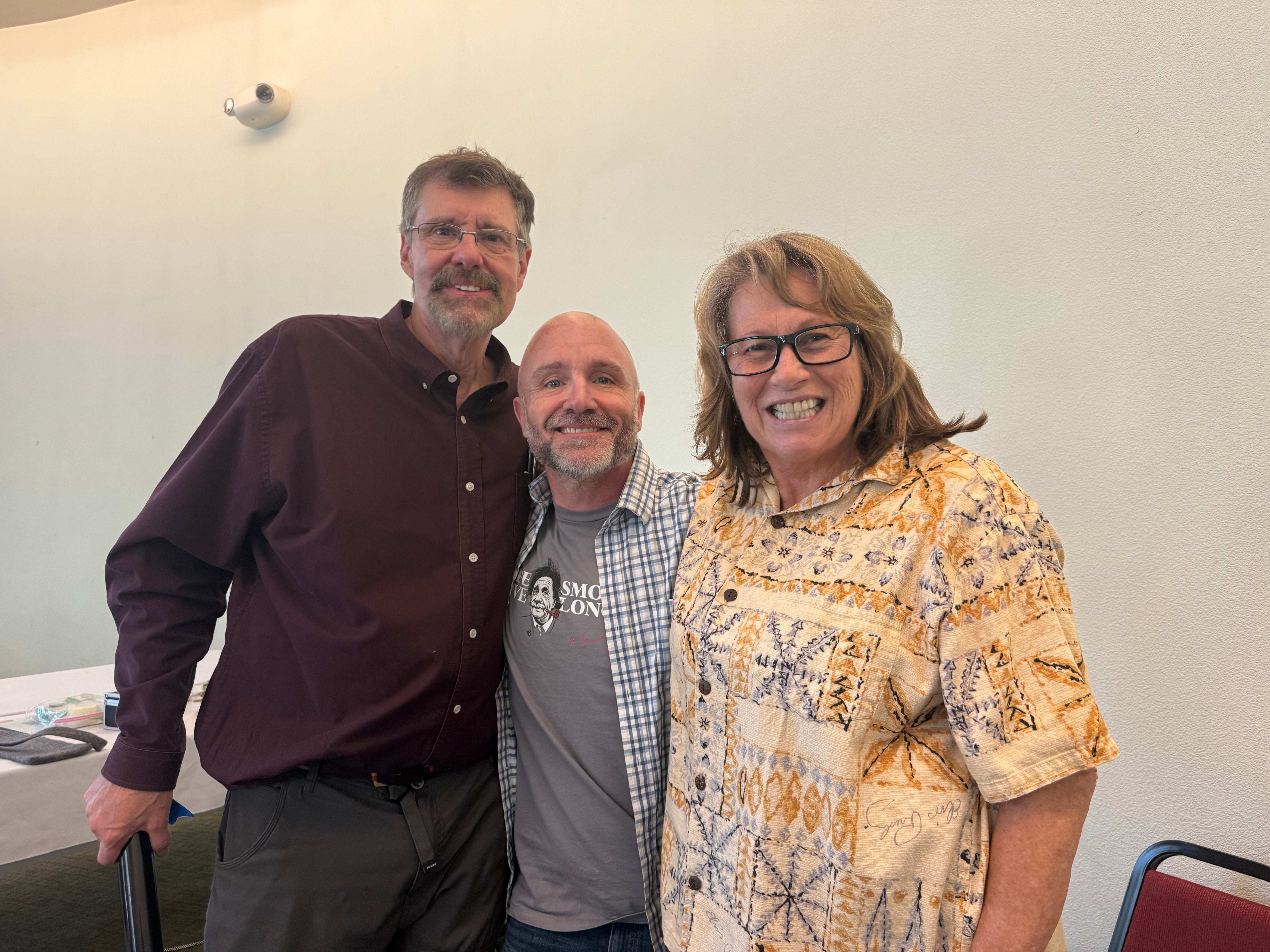
Clint, me , and Vera - 2025 Flute Harvest
Thank you for walking with me through this journey. Whether you chose to read, listen, or watch, I hope something in it opened a little space inside your own life.
If you would like to join our monthly online breathwork gathering, you can find all the details and the sign up information here.
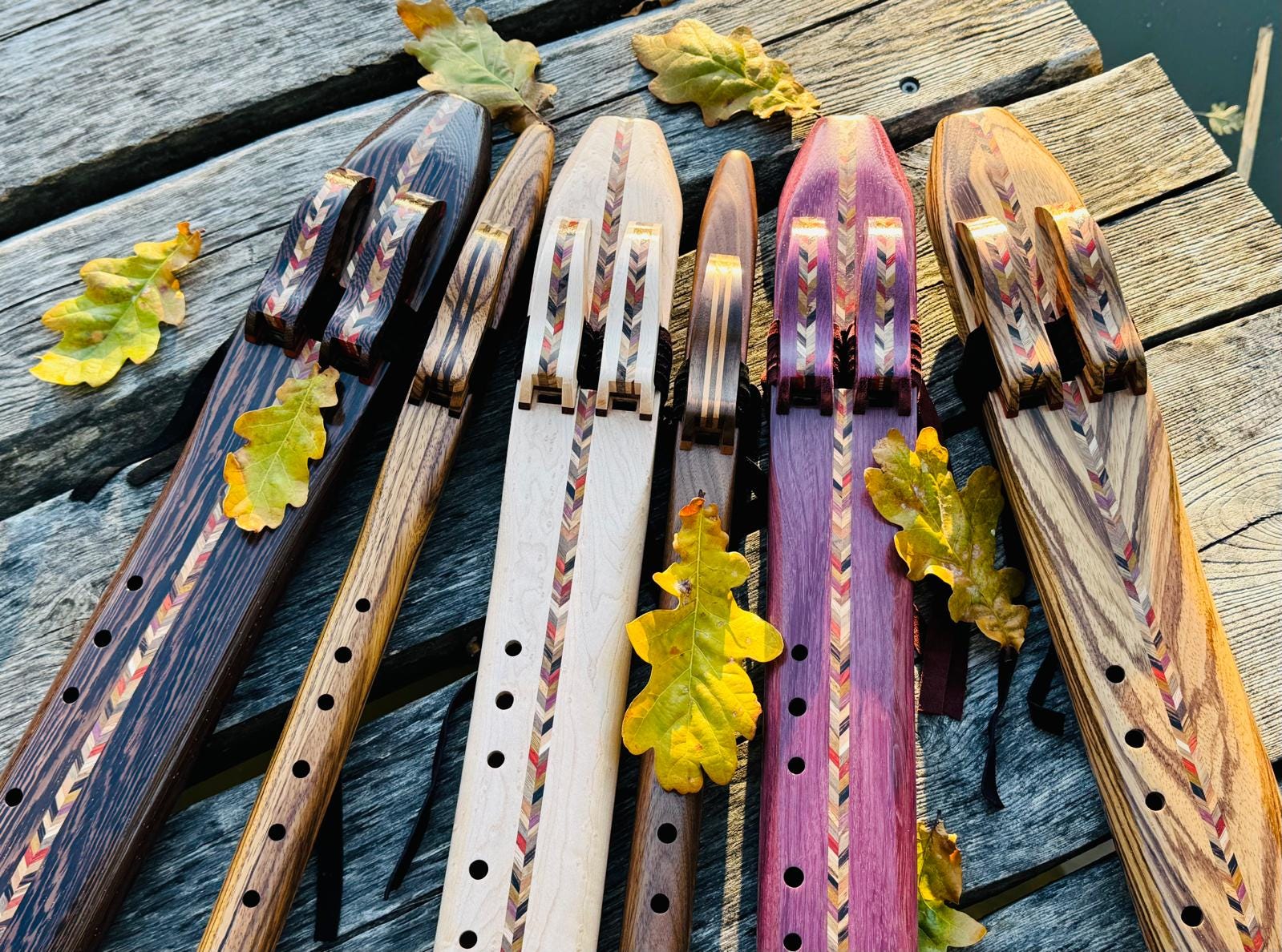
**The cover photo was taken by my friend Aris Godinš, a gifted flute maker and player from Latvia. His handcrafted flutes are available at arisflutes on Etsy.
Keith Rowe is a breathworker, teacher, and founder of Vital Healing, a nonprofit that helps people reconnect with the wisdom of their heart through through breathwork, inner exploration, and walking meditation.
He is co-creator of the upcoming Walking Pilgrim app, a 33-day journey of mindful walking and presence. Sign up to receive updates for when it is released at walkingpilgrim.com.
True courage and faith 🙏